
-
Ports, Terminals and Coastal Infrastructure at the Frontline of a Changing Climate
- April 4, 2026
- Posted by: Amaya Emmanuel
- Categories: Blue Policy Series Insights, Maritime & Blue Economy
No Comments
Climate resilience standards are essential for safeguarding ports, cruise terminals, and coastal infrastructure against rising sea levels, hurricanes, and extreme weather. By integrating global best practices, mandatory design requirements, and nature-based solutions, these standards strengthen maritime assets, protect tourism economies, and ensure supply chain continuity in vulnerable coastal regions.
-
Smart Ports for Zero‑Waste Operations
- March 20, 2026
- Posted by: Ariel Miller
- Categories: Digital Transformation Trends Insights, Maritime & Blue Economy

Smart ports for zero-waste operations integrate digital tools, renewable energy, and circular systems to eliminate waste, enhance efficiency, and strengthen sustainable maritime infrastructure across the Caribbean.
-
Digital Innovation in Oil Spill Detection in the Caribbean
- March 20, 2026
- Posted by: Ariel Miller
- Categories: Digital Transformation Trends Insights, Maritime & Blue Economy
Emerging digital technologies are reshaping how oil spills are detected and managed across the Caribbean. From satellite monitoring and drones to AI-powered analytics, these tools are helping authorities respond faster, reduce environmental damage, and strengthen regional preparedness.
-
Toward a Circular Blue Economy: Reducing Waste in Caribbean Maritime, Fisheries, and Coastal Tourism Industries
- March 7, 2026
- Posted by: Amaya Emmanuel
- Categories: Blue Policy Series Insights, Maritime & Blue Economy
Integrating the principles of a circular economy into Caribbean maritime operations, fisheries management, and sustainable tourism development practices.
-
Closing Legislative and Governance Gaps in Marine Ecosystem Protection Across the Caribbean
- February 23, 2026
- Posted by: Amaya Emmanuel
- Categories: Blue Policy Series Insights, Maritime & Blue Economy
Examines why modern, integrated laws and stronger institutional coordination are essential to safeguard marine ecosystems from accelerating environmental pressures.
-
Strengthening Coral Reef, Mangrove and Seagrass Protections in the Caribbean
- February 22, 2026
- Posted by: Amaya Emmanuel
- Categories: Blue Policy Series Insights, Maritime & Blue Economy
Analysis of emerging threats to coral reefs, mangroves and seagrass meadows in the Caribbean and the governance reforms needed to strengthen coastal ecosystem protections.
-
Cruise Industry: Passenger Flows and Port Operations
- February 10, 2026
- Posted by: Ariel Miller
- Categories: Digital Transformation Trends Insights, Maritime & Blue Economy
Digital systems now sit at the centre of cruise turnaround operations, linking passenger pre‑registration, biometric check‑in, baggage tracking, and real‑time port coordination. The result is smoother flows, faster vessel readiness, and a more resilient operational ecosystem for ports and cruise operators.
-
From Policy to Practice: Powering Maritime Excellence
- January 21, 2026
- Posted by: Natalie O. Sandiford, CAMS, LEC, LLM, MSc
- Categories: Maritime & Blue Economy, Policy to Practice
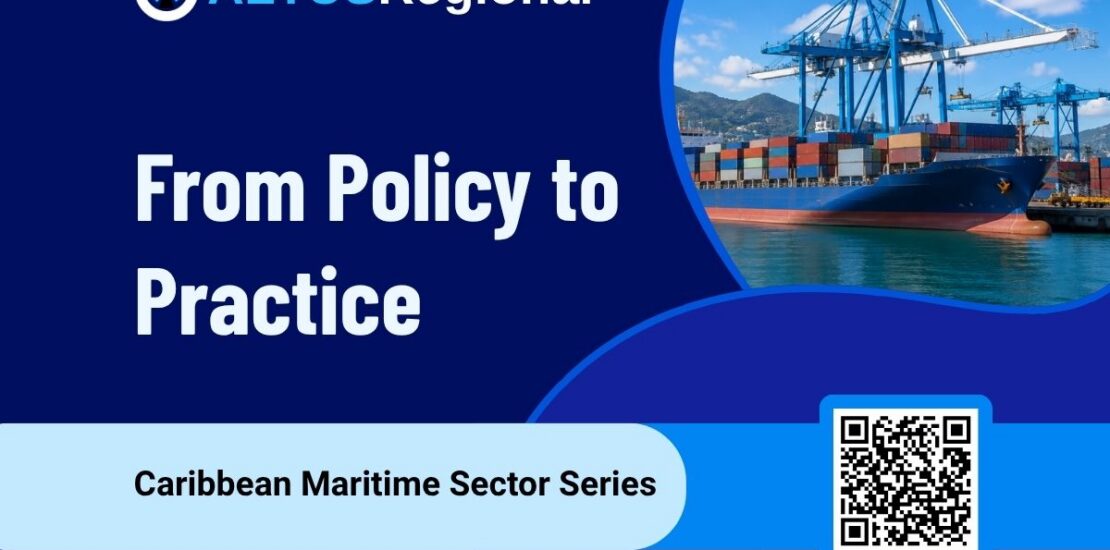
An analysis of the IMO’s 2026–2027 theme, From Policy to Practice: Powering Maritime Excellence, examining what it signals for governance, compliance, and institutional readiness in the Caribbean maritime sector.
-
IoT, Smart Sensors and Cold‑Chain Monitoring
- January 14, 2026
- Posted by: Ariel Miller
- Categories: Digital Transformation Trends Insights, Maritime & Blue Economy
This article examines why sensors and monitoring tools alone do not prevent spoilage, and why effective cold‑chain performance depends on clear governance, coordination, and decision‑making across ports, logistics networks, and regulatory authorities.
-
Climate-Risk Disclosure for Maritime and Coastal Assets
- January 14, 2026
- Posted by: Amaya Emmanuel
- Categories: Blue Policy Series Insights, Maritime & Blue Economy
Climate‑risk disclosure is becoming strategically unavoidable for Caribbean ports. This article explains how TCFD, ISSB and emerging UK/EU standards shape expectations and outlines a proportionate, region‑appropriate pathway for credible climate‑risk reporting, supported by recent Caribbean initiatives.
-
Food Security in the Caribbean: Addressing Post Harvest Loss Through Cold Chain Management
- January 12, 2026
- Posted by: Natalie O. Sandiford, CAMS, LEC, LLM, MSc
- Categories: Maritime & Blue Economy, Project Insights

This article examines food security in the Caribbean, focusing on post-harvest loss, cold-chain management, and supply-chain constraints shaping food availability.
-
Digital Transformation in Ports & Logistics
- January 5, 2026
- Posted by: Ariel Miller
- Categories: Digital Transformation Trends Insights, Maritime & Blue Economy
Digital transformation in ports and logistics is improving efficiency, visibility, and resilience across Caribbean supply chains. Learn how digital port systems, smart sensors, and cold‑chain monitoring are strengthening maritime trade.
-
Overview of UK Sanctions
- December 4, 2025
- Posted by: Amaya Emmanuel
- Category: AML Compliance Insights
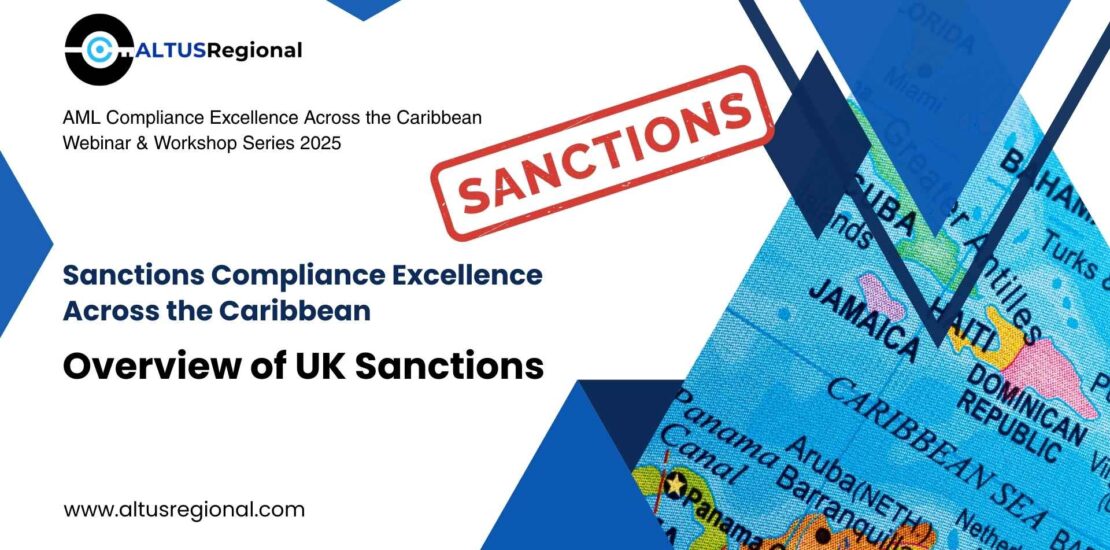
The foundation of the UK sanctions regime is the Sanctions and Anti-Money Laundering Act 2018 (SAMLA). SAMLA grants powers to the UK Government, particularly the Secretary of State for Foreign, Commonwealth and Development Affairs (FCDO) and the HM Treasury, to make regulations imposing: trade sanctions, financial sanctions, immigration restrictions and transport and shipping controls.
-
The Compliance Template Trap
- August 24, 2025
- Posted by: Natalie O. Sandiford, CAMS, LEC, LLM, MSc
- Category: AML Compliance Insights
Templates offer structure, language, and the illusion of readiness. But in the context of AML/CFT, they often impose procedures that bear no resemblance to the institution’s actual risk exposure.
-
Rethinking Financial Crime Supervision in the Algorithmic Age
- July 13, 2025
- Posted by: Natalie O. Sandiford, CAMS, LEC, LLM, MSc
- Category: AML Compliance Insights
At the recent Altus Regional Panel Discussion on Implementing a Risk Based Approach, speakers explored the rise of AI-driven deception and how criminals exploit the same digital tools designed to promote financial system integrity. From deepfakes and synthetic identities to automated laundering through fintech rails, the threat has become faster, more scalable, and more difficult to detect.